


Muhammad Luqman Khan Academic Director at Al’Taif International British School in Saudi Arabia
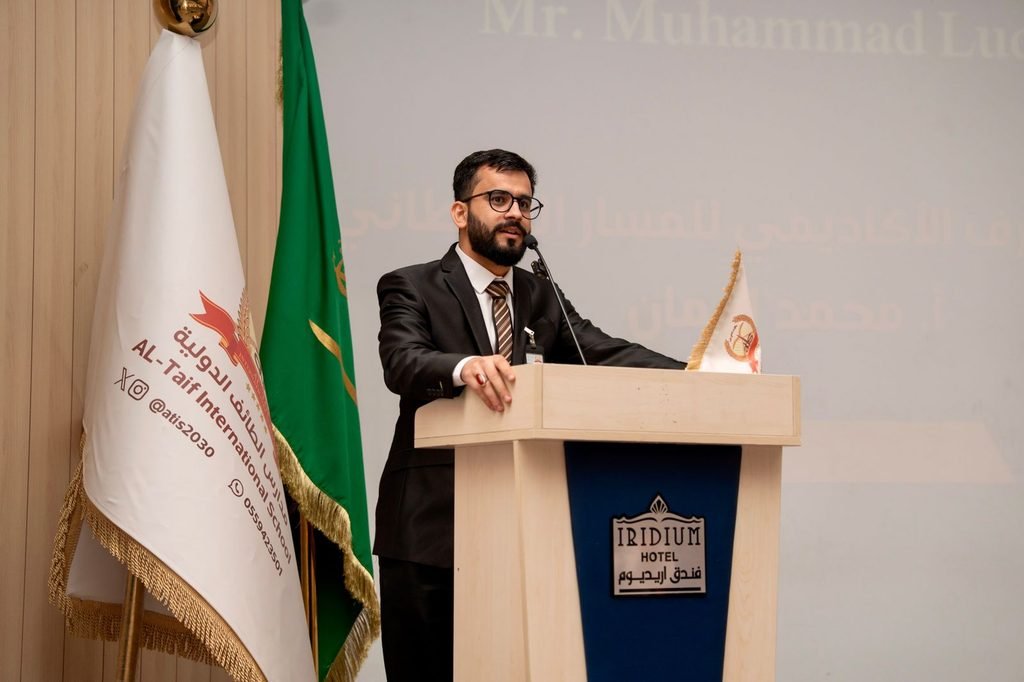
In an increasingly interconnected education landscape, academic leaders are expected to do far more than manage classrooms and curricula. They must inspire teachers, strengthen institutional standards, respond to changing learner needs, and prepare students to participate confidently in a global environment. Muhammad Luqman, who has taken on the significant leadership role of Academic Director at Al’Taif International British School in Saudi Arabia, brings together these qualities through his experience in English language education, teacher development, academic management, and international education.
His appointment represents an important step in a professional journey shaped by a commitment to educational quality and continuous improvement. With experience spanning English language teaching, international examinations, curriculum development, teacher training, and academic leadership, Luqman brings a broad perspective to a role that requires both strategic vision and practical understanding of teaching and learning.
Building Expertise Through English Language Education
At the heart of Muhammad Luqman’s professional profile is a strong foundation in linguistics and English language education. Language proficiency has become increasingly important for students seeking access to international education, professional opportunities, and cross-cultural communication. Effective language education, however, requires much more than teaching vocabulary and grammar. It involves developing confidence, critical thinking, communication skills, academic literacy, and the ability to use English effectively in real-world environments.
Luqman’s experience in this field has allowed him to understand education from both the learner’s and the educator’s perspectives. His professional background includes extensive involvement in preparing learners for internationally recognised English language assessments, including IELTS, PTE and TOEFL.
Such experience provides valuable insight into international standards of language proficiency and the academic expectations faced by students progressing into higher education. It also strengthens an academic leader’s ability to evaluate teaching methodologies, assessment practices and learner outcomes.
Rather than viewing examination preparation as an isolated activity, effective academic leadership connects assessment with broader educational development. Students need the underlying language competencies that allow them to perform academically, communicate confidently and continue learning beyond the examination room.
Developing Teachers as Well as Students

One of the most important dimensions of Luqman’s professional journey has been his work in teacher training and faculty development. As a U.S.-certified teacher trainer, he has developed experience in supporting educators in improving classroom practice, teaching methodology and learner engagement.
His professional development work has included training programmes associated with internationally recognised education organisations and partners, including the British Council, Oxford International Education Group, PUAN and RELO Pakistan.
Teacher development is particularly important in international education because the quality of an institution ultimately depends on what students experience in the classroom. Modern academic leadership therefore requires a culture in which teachers are encouraged to develop professionally, reflect on their practice, share effective approaches and respond to the changing needs of learners.
A successful Academic Director must consequently act not only as an administrator but also as a mentor and academic facilitator. By supporting teachers with appropriate resources, professional development opportunities, academic guidance and constructive feedback, institutions can create stronger and more consistent learning experiences.
Luqman’s teacher-training background provides a strong platform from which to contribute to such an environment.
Curriculum Design and Academic Quality
Another important area of his expertise is curriculum design.
A strong curriculum provides much more than a sequence of lessons. It establishes clear learning objectives, appropriate progression, meaningful assessment and a connection between classroom learning and wider educational outcomes.
Within an international British-school environment, curriculum leadership becomes particularly significant. Academic leaders must ensure that standards remain consistent while recognising that students may come from different linguistic, educational and cultural backgrounds.
This requires careful academic planning and an understanding of how teaching strategies can be adapted without compromising educational standards.
As Academic Director, Luqman is positioned to contribute to curriculum development, academic monitoring, faculty performance, assessment quality and student achievement. His combination of language education and teacher-development experience can also help create greater alignment between curriculum expectations and classroom delivery.
Academic Leadership in Saudi Arabia
Saudi Arabia is experiencing a period of significant transformation, with education playing an important role in the Kingdom’s long-term development ambitions. International schools are part of this evolving educational environment, serving increasingly diverse communities and preparing young people for higher education and professional opportunities in Saudi Arabia and internationally.
Against this backdrop, academic leadership carries considerable responsibility.
For an international school, excellence is not achieved simply by adopting an international curriculum. It requires effective implementation, qualified and motivated teachers, robust quality assurance, appropriate assessment and a school culture centred on learner development.
The role of an Academic Director therefore connects strategic institutional objectives with everyday teaching and learning.
Luqman’s international education experience provides an opportunity to bring different perspectives together. His work across teacher training, language education and academic management can contribute to strengthening faculty development, student support and institutional academic standards at Al’Taif International British School.
Creating a Culture of Continuous Improvement
One of the defining characteristics of effective educational institutions is their willingness to continuously improve.
Academic quality should never be regarded as a finished project. Student needs evolve, technology changes, teaching practices develop and international education standards continue to advance. Institutions must therefore regularly evaluate what is working and identify areas where improvement is required.
For academic leaders, this means developing systems that use evidence rather than assumptions.
Student performance data, classroom observations, teacher feedback, assessment results and learner progression can all contribute to better academic decision-making. When these elements are combined with professional development and effective leadership, schools can establish a sustainable culture of improvement.
Luqman’s diverse experience positions him to support this process by connecting academic strategy with practical implementation.
Preparing Learners for a Global Future
Perhaps the most important measure of academic leadership is its impact on students.
Today’s learners are preparing for a world in which communication, adaptability, digital competence and intercultural understanding are increasingly valuable. Schools therefore have a responsibility to develop students beyond examination results alone.
English language competence is particularly significant in this context. For many students, English provides access to international universities, research, professional networks and global career opportunities.
Luqman’s background in English language education and international assessment gives him an understanding of this wider relationship between language ability and student progression.
The objective is ultimately to help learners become confident, capable and independent individuals who can succeed in different academic and professional environments.
A New Chapter in Educational Leadership
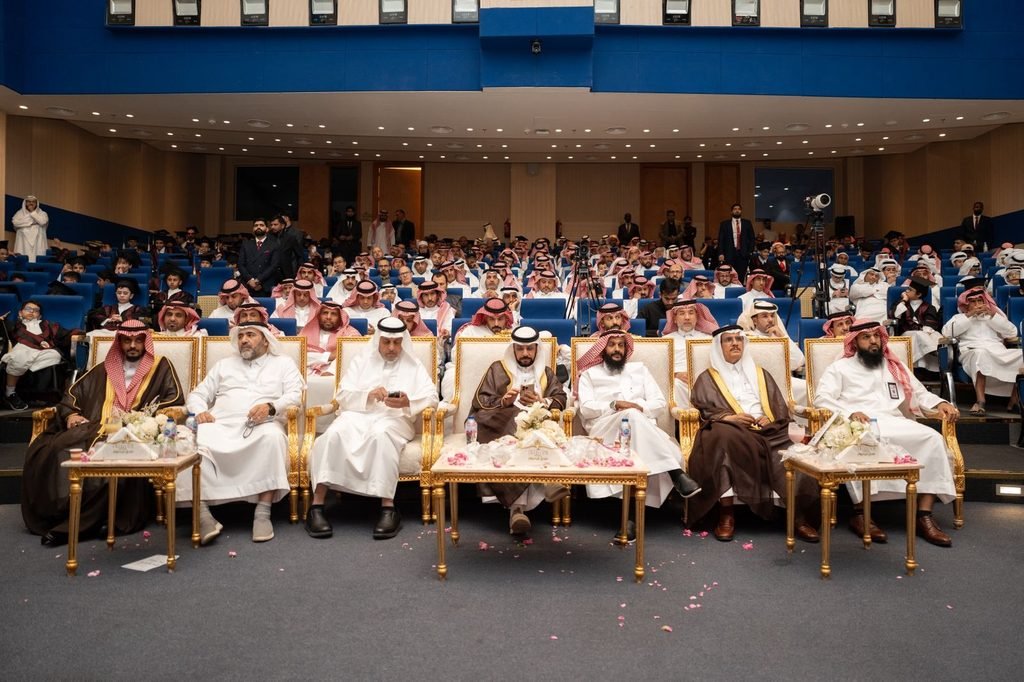
Muhammad Luqman’s appointment as Academic Director at Al’Taif International British School marks a new chapter in a career dedicated to education, teacher development and academic advancement.
His experience across linguistics, English language teaching, international examination preparation, curriculum design, teacher training and academic management provides a strong foundation for the responsibilities ahead.
More importantly, his professional journey reflects an increasingly important model of educational leadership—one that connects teachers, learners, curriculum, assessment and institutional strategy rather than treating them as separate areas.
As international education continues to evolve across Saudi Arabia and the wider region, schools will increasingly require leaders capable of combining international experience with effective local implementation.
Through his new leadership role, Muhammad Luqman has an opportunity to contribute not only to the academic development of an institution but also to the professional growth of its teachers and the future success of its students.
His journey demonstrates the wider impact educators can achieve when professional expertise is combined with leadership, continuous learning and a commitment to academic excellence.

Leave a Reply